
Roof damage is not always caused by wind, age, or heavy snow. Birds, squirrels, bats, mice, raccoons, insects, and other pests can enter through surprisingly small openings and gradually create larger problems inside a home.
In Gansevoort, seasonal temperature changes, winter weather, falling branches, and the mix of older and newer housing can all affect how well a roof remains sealed. Understanding the common entry points makes it easier to notice problems before they lead to water damage, insulation loss, or unsafe electrical conditions.
Where do pests usually enter a roof?
Pests most often enter through gaps around roof edges, vents, chimneys, and areas where roofing materials have loosened. Many openings are difficult to see from the ground.
Common entry points include:
- Damaged or missing shingles
- Loose or deteriorated fascia boards
- Openings beneath soffits
- Gaps around plumbing vents
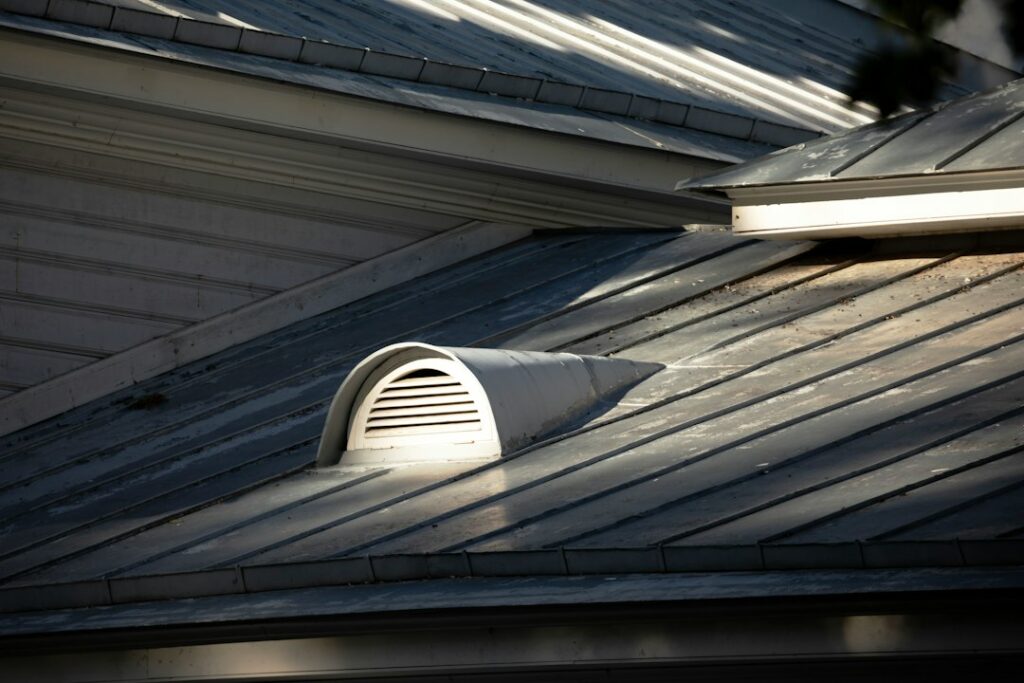
- Unscreened ridge, gable, or attic vents
- Damaged chimney flashing
- Openings around skylights
- Torn roof or soffit screens
- Spaces where utility lines pass through exterior walls
- Gaps created by ice, wind, falling limbs, or repeated freeze-thaw cycles
A small gap can be enough for mice, bats, or insects. Larger animals may enlarge an opening by chewing, pulling, or pushing aside weak materials.
Why are roof edges especially vulnerable?
Roof edges contain several connected components, including shingles, flashing, fascia, soffits, and gutters. If one part becomes loose, pests may reach the attic through the next layer.
Squirrels commonly chew wood trim and can enlarge openings near eaves. Raccoons may lift loose materials or tear through weak soffits. Birds may enter through roof vents or gaps beneath flashing and bring nesting materials inside.
Snow and ice can also put stress on roof edges. Ice dams may force water beneath shingles, while repeated freezing and thawing can loosen fasteners and separate materials. Once a seam or edge begins to move, animals and insects may find it easier to get through.
Which pests are most likely to enter an attic?
Different pests use roofs and attics for different reasons. Some seek warmth, while others are looking for a dry nesting location.
Squirrels
Squirrels often enter through roof edges, soffits, and openings around vents. They can chew wood, insulation, and wiring. Their activity is frequently heard during daylight hours, especially as scratching or running sounds.
Mice
Mice can pass through openings roughly the size of a dime. They may enter through roof-to-wall gaps, attic vents, or openings connected to the exterior walls. Droppings, shredded insulation, and a persistent musky odor can indicate activity.
Bats
Bats may use narrow gaps near roof intersections, flashing, chimneys, and soffits. They are most active around dusk and may leave dark staining near an entry point. Bats are beneficial insect-eating animals, but they can create health and sanitation concerns inside occupied spaces.
Birds
Birds may nest beneath loose shingles, inside vents, or behind damaged soffits. Nesting material can block ventilation openings and may contain moisture, parasites, or droppings.
Raccoons
Raccoons need a larger opening than mice or bats, but they can enlarge weak areas. They may use attic spaces for shelter during cold weather or while raising young.
Insects
Wasps, hornets, carpenter ants, termites, and beetles may use roof trim, fascia, vents, or damp wood. Insects are especially likely to take advantage of wood softened by leaks or poor ventilation.
How can roof damage attract pests?
Roof damage can create both an opening and a favorable indoor environment. A small leak may wet insulation or roof framing, making the area more attractive to insects and some rodents. Poor ventilation can create warm, humid conditions that support mold growth and wood decay.
Pests are also drawn to attics that offer:
- Stable temperatures
- Protection from predators
- Dry nesting material
- Access to wall cavities
- Nearby food or water sources
- Undisturbed storage areas

A roof does not need to have a large visible hole for these conditions to develop. Loose flashing, cracked vent seals, or a lifted shingle may be enough to begin the process.
What signs suggest pests are getting into the roof?
The most useful clues are often indirect. Residents may notice the animal before seeing the entry point.
Watch for:
- Scratching, chewing, or movement sounds in the attic
- Droppings or urine staining
- Insulation pulled apart or compressed
- Nesting material near vents or roof edges
- Daylight visible through attic walls or roof decking
- Grease marks or dark streaks near openings
- Damaged wiring or chewed wood
- Shingles that appear lifted or disturbed
- Birds or bats repeatedly entering and leaving one location
- Unusual odors from the attic or upper walls
- Insects emerging from trim, ceilings, or light fixtures
The timing of activity can provide clues. Noises during the day may point toward squirrels or birds, while nighttime movement is more common with mice, raccoons, and some insects.
Can pests enter through roof vents?
Yes. Roof vents can become entry points if their screens are missing, damaged, or poorly fitted. Ridge vents, gable vents, turbine vents, and bathroom exhaust outlets may all be vulnerable.
Ventilation openings must allow air movement while preventing animal entry. Covering a vent completely can create a separate moisture problem, so repairs should preserve the intended airflow. A damaged vent cover should not be sealed with an improvised material that blocks ventilation or traps condensation.
Bathroom and kitchen exhaust ducts deserve special attention. If a duct terminates in the attic instead of outside, warm moist air can increase condensation and damage nearby materials. That condition can attract insects and weaken the structure around the vent.
Does a roof replacement prevent pest problems?
A new roof can remove some entry points, but roofing work alone does not automatically protect every part of the attic. Pest access may occur through soffits, fascia, chimneys, vents, siding transitions, or wall openings that are outside the main roof surface.
A complete inspection should consider the entire roof-to-wall system. Repairs may involve replacing damaged screens, securing trim, correcting flashing, repairing chimney areas, or closing gaps around penetrations. The goal is to keep the attic weather-resistant and properly ventilated without creating hidden spaces where animals can remain trapped.
What should residents do after finding an opening?
Do not immediately seal an opening if an animal may still be inside. Sealing an active nest or roost can trap young animals, force wildlife into the living area, or create a dead animal problem inside the roof assembly.
First, observe the opening from a safe distance and look for recent activity. Avoid entering contaminated insulation without appropriate protection, and do not handle bats, raccoons, or unfamiliar animals. Chewed wiring, unstable attic flooring, mold, and animal waste can create hazards beyond the original roof problem.
After the entry point is inactive and the occupants have been safely removed or excluded, the damaged roofing and surrounding materials can be repaired. Any nesting material, contaminated insulation, and damaged wiring may require separate attention.
Regularly checking roof edges, vents, soffits, and attic conditions—particularly after winter storms, strong winds, or falling branches—can reveal small defects before they become convenient entrances for pests.
