
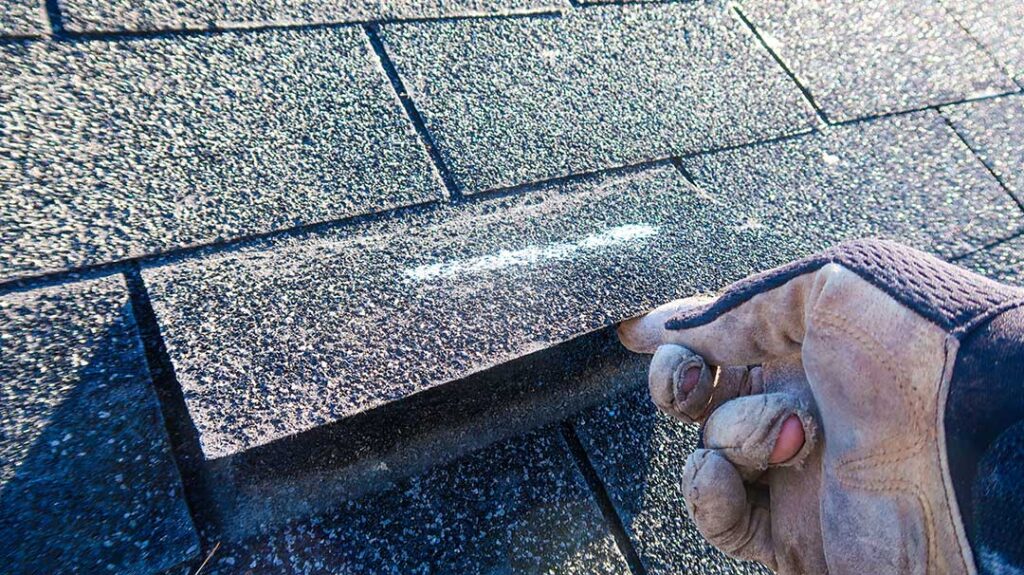
What Is a Roof Tear-Off and Why Is It Done?
A roof tear-off involves removing all the old roofing material—shingles, underlayment, and often flashing—down to the roof decking. Local homeowners in Gansevoort may need a tear-off if their existing roof is leaking, showing signs of age, or no longer meets building codes. Another reason is when repairs are no longer cost-effective or another layer of shingles would violate local building regulations. In the region’s climate, where winter ice and summer storms put pressure on roofs, starting fresh with a tear-off allows for inspection and repair of hidden damage beneath the shingle layers.
How Does a Roof Tear-Off Unfold in Gansevoort?
The process typically starts with site preparation to protect gardens, siding, and driveways. In Gansevoort, this often means setting up tarps to catch debris and keeping walkways clear for safety, especially during leaf and mud seasons.
Here’s a step-by-step outline:
- Preparation: Move vehicles, patio items, and outdoor furniture away from the house.
- Stripping: Workers use shovels or specialized tools to pry upwards and remove shingles, working from one edge to the other.
- Clean-Up: All removed materials are gathered—frequently into a dumpster or truck parked for efficient hauling. Some debris can be heavy or sharp.
- Inspection: With the old roof off, the decking is checked for rot, soft spots, or mold, which may need repairs before new material is installed.
Depending on the roof’s size and weather, a standard single-family tear-off in the area usually lasts one to two days.
What Should Local Homeowners Expect During the Work?
Residents should anticipate increased noise and a busy property during any tear-off. Hammering, scraping, and the movement of materials onto and off the roof are unavoidable.
Gansevoort’s typical neighborhood layout—with moderate backyard space and close side properties—means debris control is a real concern:
- Expect to see tarps covering shrubs and grass.
- Driveways and curbs often hold dumpsters or trailers temporarily.
- Dust and loose granules may fall onto patios or decks.
It’s safest to keep pets and children inside or supervised during the busiest periods.
Will the Process Affect My Home’s Interior or Routine?
Tear-offs don’t generally damage the home’s interior, but vibrations may cause wall hangings to shift or fall, especially in older homes with plaster walls. Residents often remove photos and valuables from shelves as a precaution. If any attic spaces are used for storage, covering items with sheets or plastic can prevent dust buildup.
Noise starts early—often by 7 or 8 a.m.—and can last much of the day. Those working from home or managing naps should plan for a few days of disruption.
Is Roof Deck Repair Common After a Tear-Off?
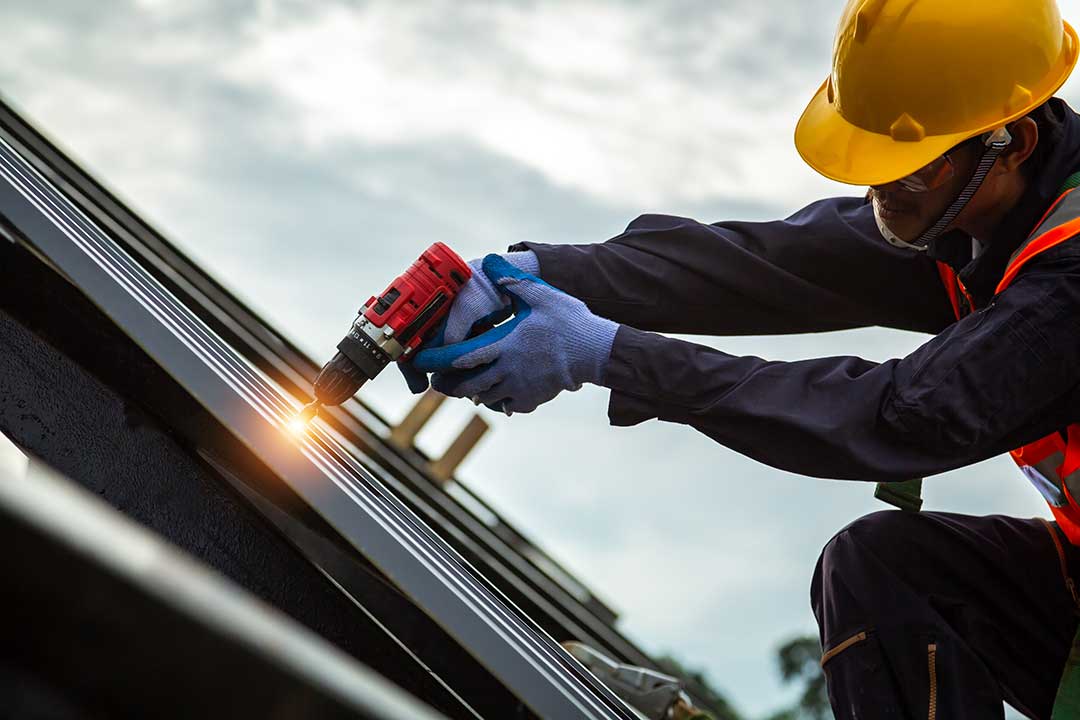
Hidden problems like rotten or water-damaged boards are frequently discovered after removal of old roofing, especially in areas prone to heavy snowfall like Gansevoort. Repairs can range from replacing small patches of decking to entire sections. If repairs are required, this may add a few hours or, in rare cases, an extra day to the project. While this can’t always be predicted in advance, it ensures a longer-lasting finished result and prevents future leaks.
What Weather or Local Factors Can Delay a Project?
Gansevoort’s seasonal changes can influence timing. Rain, high winds, or extreme cold can pause or reschedule roof work for safety reasons. Very hot days also slow progress as crews take more frequent breaks to stay hydrated and safe on exposed rooftops. Spring and fall are often the busiest times, with projects booking out weeks in advance. Planning flexibility helps local families deal with weather shifts.
What Happens to Old Roofing Materials?
Most old shingles and roofing felt are collected for disposal. Depending on availability and municipal rules, some materials are recycled—especially asphalt shingles, which can be turned into roadway materials. However, not all debris is always recyclable, and disposal needs to follow local guidelines for hazardous waste, particularly if the property is older and has potential for lead-containing flashing or other historical building materials.
How Can Residents Prepare and Minimize Disruption?
Gansevoort families can make a tear-off smoother by:
- Securing or moving vehicles, bikes, planters, and play equipment out of the drop zone.
- Informing neighbors when a noisy project will start can maintain good relations in closely-set neighborhoods.
- Double-checking landscaping for precious plants or garden beds in the fall and spring when projects are most common.
Being present for a brief walkthrough with the project lead can answer any last-minute concerns or direct placement of protective covers.
Are There Long-Term Benefits to a Full Tear-Off?
Although it’s a major project, a full tear-off leaves homes with a roof that’s more reliable in the freeze-thaw cycles and wind storms that are common in the Gansevoort area. This process not only fixes visible surface problems but also addresses hidden issues and provides a chance to upgrade with better insulation or an ice and water barrier—both worth considering given the range of local weather.
By understanding the sequence and impact of a roof tear-off, residents can make informed decisions and feel more at ease throughout the process.
