
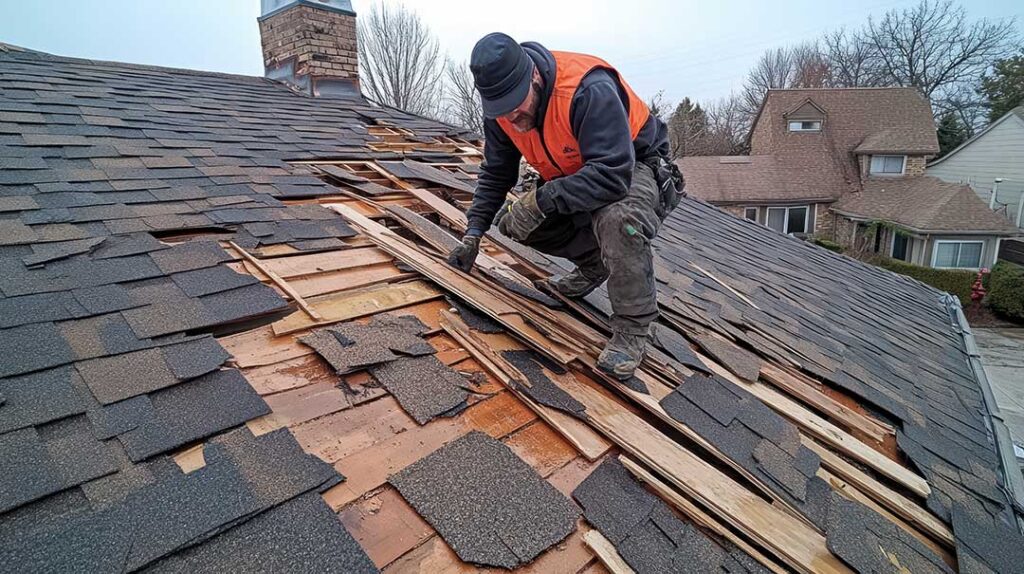
Why Might Someone Need to Walk on Their Roof in Gansevoort, NY?
Residents in Gansevoort, NY might consider accessing their roof for reasons like inspecting for winter storm damage, clearing debris after autumn leaf fall, or checking gutters before heavy rain. While calling a professional is safer for many roofing tasks, some homeowners prefer to visually inspect their roof directly, especially in areas where homes often have accessible sloped roofs and moderate tree cover.
What Are the Risks of Walking on a Roof?
Stepping onto a roof can be dangerous, even for experienced adults. The main risks include slipping (especially during or after rain, snow, or mornings with dew), damaging shingles, and risking serious falls. Roof surfaces can become especially hazardous in Gansevoort due to icy conditions from late fall through early spring. In winter or early spring, hidden ice, frost, or slick algae can turn even gentle roof slopes risky.
How Should You Prepare Before Setting Foot on Your Roof?
Before climbing, take several steps to minimize hazards:
- Check the forecast: Walk only on dry, clear days. In Gansevoort, sudden rain showers and unpredictable snowmelt can cause immediate risk.
- Inspect from the ground: Use binoculars or a camera with a zoom lens for an initial survey, reducing the need to climb unless absolutely necessary.
- Wear suitable gear: Choose shoes or boots with soft rubber soles for maximum grip. Flat, closed-toe footwear is safer than sandals or bare feet.
- Avoid climbing alone: If possible, have someone nearby for help in case of an emergency.
- Make sure ladders are secure: Place your ladder on a flat, dry surface. Extend it at least three feet above the edge of the roof and angle it safely (about one foot out for every four feet of ladder height). Always inspect ladders for damage before use.
Where and How Should You Walk Once on the Roof?
If you must step onto your roof, follow these guidelines to maximize your safety:
- Move slowly and deliberately. Test each step before shifting your full weight.
- Stay low and try to keep your center of gravity stable, almost as if you were crouched or crawling rather than standing upright.
- Walk towards the peak (ridge) rather than along the slope, where footing is most secure.
- Avoid stepping on the outer edges, which are weaker and more prone to crumbling or breakage.
- Do not step on visibly damaged, curled, or missing shingles, as they are often slicker and less supportive.
For common local roof types, such as asphalt shingle or metal, stepping where two boards join (over rafters) will provide the most support. On older homes in Gansevoort, some roof decking may be weakened by age or moisture, so avoid areas that creak, sag, or feel soft underfoot.
Are There Special Considerations for Different Seasons in Gansevoort?
Yes, seasonal changes greatly affect roof safety in the region. In autumn, roofs may be covered by wet leaves that hide slippery mosses or fastenings. Snow or ice can linger even after sunny days, especially on north-facing slopes. Spring melt may saturate decking and undermine footing. Summer heat softens some shingle types, making them susceptible to damage from foot pressure.
Dry, mild afternoons are typically safest for accessing the roof. After snow, wait until the surface is fully thawed and dry, as even thin ice layers create hidden slip risks. Remove debris from below and above the ladder site to prevent sudden shifts.
What Safety Equipment Is Recommended for DIY Roof Walks?
While professionals use full safety harnesses, there are a few things local residents can use to reduce risk for basic inspection tasks:
- Personal fall arrest systems are safest, but most homeowners don’t have these. A temporary roof anchor and harness system can be rented for those who feel comfortable learning to set them up properly.
- Roofing shoes, available locally or online, offer extra grip.
- Knee pads or roof brackets/roof jacks can improve stability for sloped surfaces, particularly on the moderate pitches common in Gansevoort homes.
- Gloves help keep a steady hold if you need to steady yourself.
Do not substitute a rope or bungee cord for proper fall protection; these make an accident more likely, not less.
What Are Common Mistakes to Avoid?
Several missteps increase the danger for local homeowners:
- Walking on the roof during or after precipitation, especially when dew or frost is still present.
- Underestimating wind gusts, which can be stronger in open areas around Gansevoort.
- Assuming all shingles provide equal support—damaged or sun-baked shingles may crack or come loose underfoot.
- Carrying tools or supplies in hand rather than using a secure toolbelt, which helps keep hands free for balance.
- Disregarding attic ventilation openings or skylight structures, which may not bear weight.
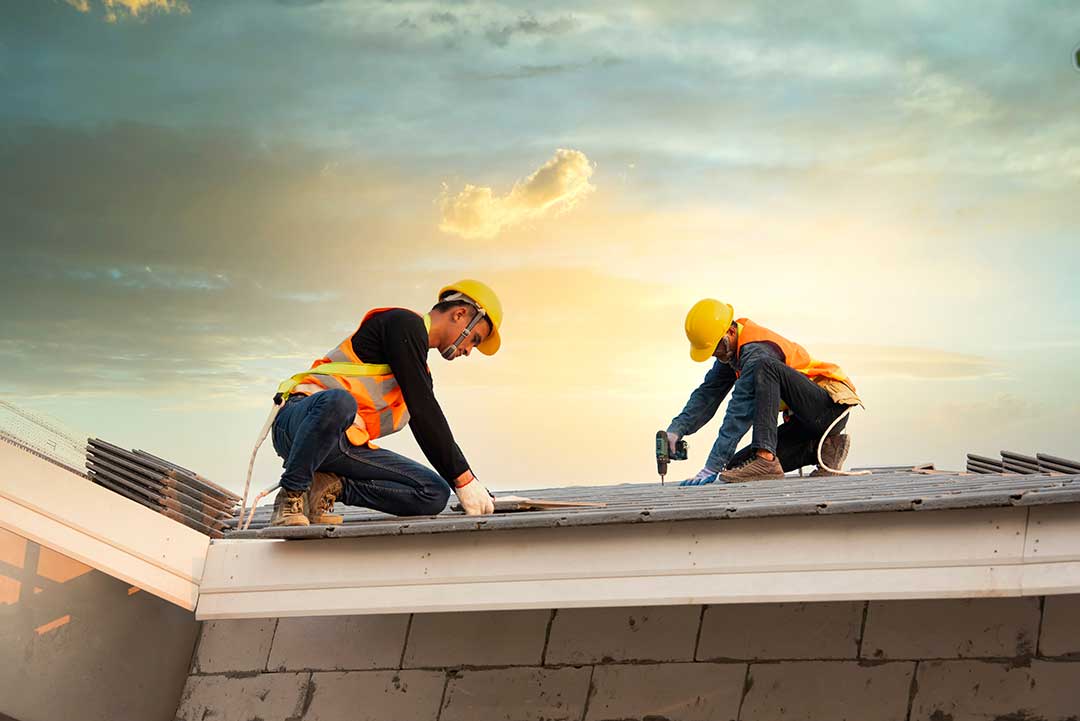
How Can Homeowners in Gansevoort Minimize Damage While Walking on Their Roof?
Besides personal safety, avoid damaging the roof structure:
- Walk gently and avoid dragging shoes, which can loosen granules on asphalt shingles.
- Do not stack equipment or buckets on the surface.
- Stick to main structural lines, such as directly above rafters.
- Inspect for loose shingles, vent pipes, or nails before walking.
- Avoid attempting any repairs without full knowledge of the assembly and potential risks.
When Is It Absolutely Unsafe for a Resident to Walk on Their Own Roof?
Walking on the roof is never advised if:
- The pitch is steep (over 6/12, or 27 degrees).
- The surface is icy, mossy, or otherwise visibly slick.
- You feel uneasy about your balance or fitness.
- The home is especially tall for the neighborhood, where a fall hazard is greater.
- The roof has visible structural concerns, rot, or large patches of missing materials.
In such cases, safety outweighs the need for a direct inspection, and viewing from ground level or using remote cameras is a more prudent option.
