
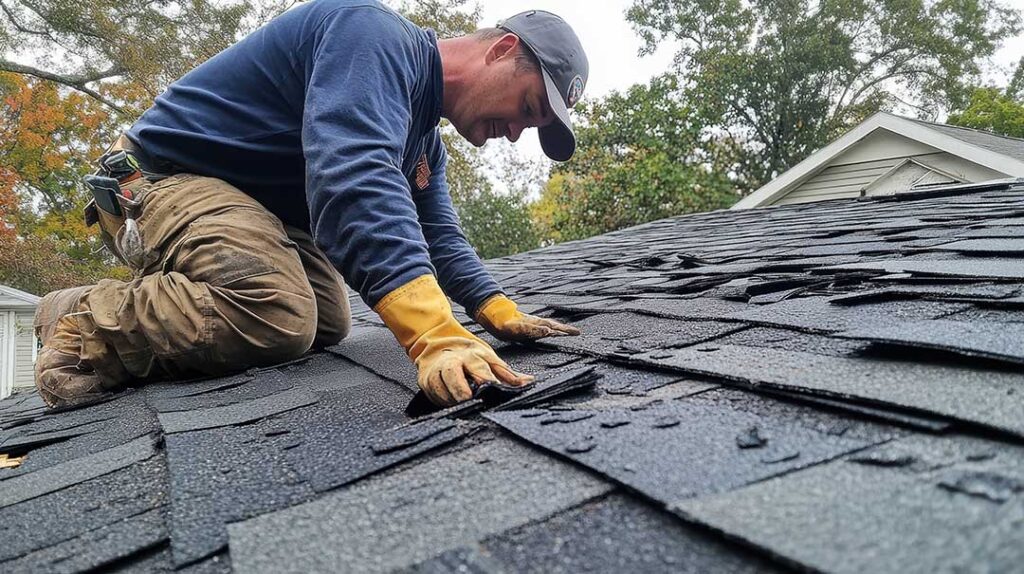
What Are Roof Coatings and How Are They Used?
Roof coatings are protective layers applied over existing roofing materials to extend their life and improve performance. In many homes throughout Gansevoort, roof coatings act as a practical solution for aging roofs that may not need full replacement yet. These coatings are usually liquid-applied and cure to form a seamless, waterproof surface. Homeowners often consider this option as a way to enhance energy efficiency, prevent leaks, and delay larger repairs.
What Are the Main Advantages of Roof Coatings in Gansevoort?
Roof coatings offer several key benefits, especially in a climate with wet springs, hot summers, and freezing winters.
- Extended Roof Life: By protecting against UV rays, moisture, ice, and wind-driven rain, a coating can add years to the functional life of a roof.
- Improved Waterproofing: Liquid coatings create a continuous membrane that seals small cracks and seams, reducing the chances of leaks after heavy rain or snowmelt.
- Energy Efficiency: Light-colored or reflective coatings can reduce attic heat, lowering cooling costs during the summer and making homes more comfortable.
- Cost Savings: Applying a coating is generally less expensive and less disruptive than a full tear-off and replacement.
- Reduced Waste: Opting for a coating over replacement keeps old roofing materials out of local landfills.
Local residents with older asphalt roofs often use coatings to manage minor wear and granule loss instead of opting for immediate shingle replacement.
What Are the Limitations and Risks Associated With Roof Coatings?
While coatings have many benefits, there are trade-offs and situations where they may not make sense.
- Not Suitable for Severely Damaged Roofs: If the underlying structure is rotted, badly warped, or shows widespread leaks, a coating will not resolve the deeper issues. In such cases, a more extensive repair or replacement is needed for safety and code compliance.
- Limited Lifespan: Most coatings need reapplication every 5 to 10 years, depending on the product used and the severity of local weather exposure.
- Slippery Surfaces: Some coatings can become slick when wet or icy—a consideration for walkable roofs.
- Aesthetic Limits: Coatings may not provide a uniform finish, especially over roofs with diverse previous repairs, stains, or mismatched materials.
- Potential for Improper Application: If a roof is not cleaned or prepped correctly, or the coating isn’t applied under the right temperature and humidity conditions, durability can be seriously compromised. Peeling or bubbling may result.
- Local Code Considerations: In certain situations, permits or inspections may be needed to ensure coatings are allowed or meet local building standards. Gansevoort’s municipal building department can provide clarification if there is uncertainty.
How Do Seasonal and Local Climate Factors Affect Performance?
Gansevoort experiences wide temperature swings, occasional hail, and plenty of freeze-thaw cycles. These factors impact how well a coating performs.
- Winter Durability: Some coatings are more flexible and better able to resist cracking as they expand and contract. Elastomeric products tend to perform well in cold weather climates.
- UV Exposure: Sunlight in the summer can break down unprotected roofing materials. Reflective coatings help slow this process.
- Rain and Ice: Continuous moisture can test the waterproofing ability of a coating. Prompt repairs to punctures or tears are needed, especially if snow sits for weeks.
Residents often ask if roof coatings can stop ice dams—while coatings help with waterproofing, they do not address the underlying causes, such as poor attic insulation or ventilation.
Are There Different Types of Roof Coatings?
Yes, the main categories are acrylic, silicone, polyurethane, and asphalt-based coatings, each with their own pros and cons. The best choice depends on roof type, current condition, and specific goals:
- Acrylic: Water-based, UV-resistant, and affordable, commonly used on sloped asphalt roofs. They require dry weather to apply.
- Silicone: Good for waterproofing flat or low-slope roofs, especially those prone to ponding water. They’re long-lasting but can attract dirt.
- Polyurethane: Very durable and impact-resistant, good for areas facing hail or falling debris.
- Asphalt-based: Compatible with traditional shingles, offering basic weather resistance but less reflectivity.
Residents are encouraged to choose formulations tested for the Northeast’s weather rather than general-purpose “all-climate” products. Checking the label for temperature and application guidance is always advised.
What Are Common Misconceptions About Roof Coatings?
There are a few misunderstandings local property owners should be aware of:
- Roof coatings are not a cure-all. They cannot salvage a roof with serious underlying damage, nor can they permanently fix poor design or chronic ventilation issues.
- Surface prep always matters. Even the best coating will fail quickly if laid over dirt, moss, or soft spots.
- Coatings do not make a roof ‘maintenance free.’ Regular inspections are still needed to identify early signs of wear and prevent minor issues from escalating.
Some homeowners are surprised to learn that a coating can make future repairs or installation of new roofing more complicated, depending on product compatibility down the road.
How Can Homeowners Decide if a Roof Coating Makes Sense?
A roof coating is most valuable for roofs that are basically sound but showing early signs of wear, such as minor granule loss, faded color, or small surface cracks. Area households seeking a short- to medium-term solution often find coatings help stretch out roof replacement budgets and lower immediate utility bills.
However, if the roof dips, sags, leaks in multiple places, or is nearing the end of its rated life, a more thorough inspection and repair may be needed.
Checking for visible issues before applying a coating—as well as reviewing local building codes to ensure compliance—will help homeowners make a well-informed decision.
