

Why Does Shingle Matching Matter for Homes in Gansevoort, NY?
The look and integrity of a roof can be affected if replacement shingles do not blend well with existing ones. In Gansevoort, seasonal extremes—sun, snow, wind, and moisture—mean visible repairs may stand out for years. Matching replacement shingles maintains not only curb appeal but also may help preserve home value in the city’s mix of historic and newer neighborhoods.
How Can You Identify Your Existing Shingles?
Begin by closely inspecting the area needing repair. Look for visual clues:
- Color and Texture: Shingles fade over time, especially after harsh winters or hot summers.
- Material Type: Most area homes have asphalt shingles, but some use architectural (dimensional) designs, others may have three-tab.
- Manufacturer's Markings: Sometimes, the underside or edge of a spare shingle in your garage has a product code or manufacturer stamp.
Bringing a sample indoors can help you see true colors, removing sun glare or dirt that can mask subtle hue differences. If possible, gently lift an intact shingle from an inconspicuous area (such as a roof corner) or use a leftover piece saved from previous work.
What If No Exact Match Exists?
Shingle colors often change or are discontinued, especially as older homes in Gansevoort age. If you cannot find a perfect match:
- Select the closest available color, prioritizing undertone (warm or cool grey, tan, or brown).
- If the mismatch is significant, consider rearranging shingles from less noticeable roof sections for use in visible places, positioning new ones where they are least likely to be seen.
- Ask about attic stock: Previous homeowners or builders may have left a bundle or two behind during original installation.
Partial repairs are common in local neighborhoods, thanks to snow and wind damage. Blended repairs are usually less obvious on shaded or multi-angled sections than on long, continuous roof planes.
How Can New Shingles Be Aged to Better Match Old Ones?
New shingles can look especially vibrant against weathered ones. Natural weathering helps, but there are tricks to minimize contrast:
- Gently rub the surface with clean soil or dust to tone down brightness (avoiding abrasive materials that could damage the shingle).
- Allow a few weeks or months for exposure—rain, sun, and pollen help even out differences.
- Avoid excessive cleaning or scrubbing, as this can shorten the life of new material.
In many local cases, even a minor mismatch fades from view as all shingles age further, especially after a winter or two.
Are There Visual Tricks for Blending Shingles?
Careful placement makes a difference:
- Stagger edges to break up uniform lines that highlight replacement spots.
- Scatter repair pieces over a slightly larger area, rather than creating a tight “patch,” to help camouflage the transition.
- Mismatches tend to show less under tree cover or behind landscaping.
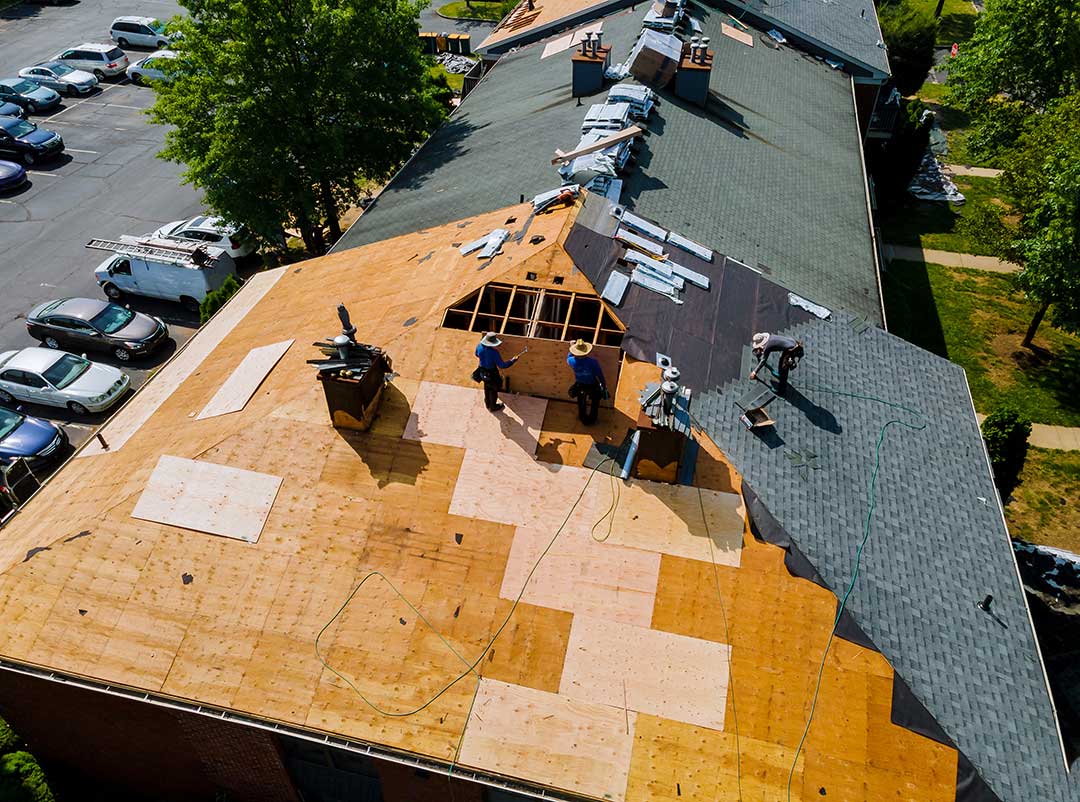
These techniques are especially helpful on roofs common in Gansevoort with complex gables, overhangs, or porch additions.
Does Matching Shingles Affect Warranty or Home Insurance?
For most area households, blending repairs with similar materials is sufficient for maintaining roof performance and appearance. Significant departures in type or installation method, however, could affect roof warranties or future insurance claims. Using close matches and proper technique keeps paperwork in order and may prevent future questions during inspections or property sales.
Local architectural review boards or homeowner associations in some neighborhoods may also have specific requirements about roof appearance—always check any relevant standards if your home is subject to such guidelines.
Can Seasonal Weather in Gansevoort Complicate Matching?
Shingle repairs done in cold weather can look different than those made during warm months, due to contraction of materials and seasonal dirt or staining. Replacements made during spring or fall, when temperatures are moderate, often yield the best visual results. Planning ahead for typical climate cycles in the city also helps avoid hasty repairs in the midst of winter storms or summer heat waves.
What Are Common Mistakes When Replacing Shingles?
Some avoidable errors local residents make include:
- Relying on memory rather than a physical sample when shopping.
- Ignoring fading, so the new shingle stands out.
- Skipping ventilation checks; attic moisture or inadequate airflow can change the way old and new shingles age.
- Forgetting to document shingle type for future repairs, especially after a minor patch.
Careful observation and recordkeeping simplify future matching if repairs are needed again.
What If Shingle Differences Still Bother You?
Even diligent matching efforts aren’t always invisible. While most roofing repairs fade from notice after a few cycles of sun and snow, some homeowners choose to treat the roof as a “patchwork notebook,” making peace with minor mismatches as part of the home’s story. If a uniform look remains essential, a future re-roofing project may be the only way to restore complete consistency, but this is typically a decision for much later.
