
What Are the Risks to Your Roof During Home Renovations?
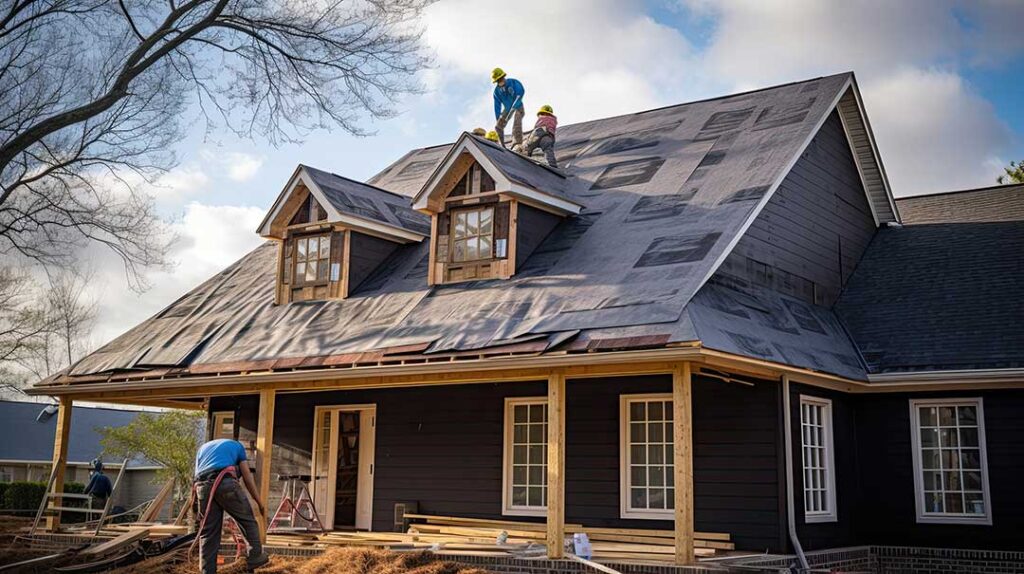
Roof damage is a real concern for homeowners planning renovations, especially in areas with changing seasons like Gansevoort, NY. Roofing materials, whether asphalt shingles, metal panels, or slate, are exposed to impacts, vibrations, and wear during construction projects. Even interior remodels can create conditions that stress the roof.
Common risks include:
- Physical damage from falling tools, materials, or ladders used by workers
- Dislodged or broken shingles from foot traffic or equipment movement
- Loosening of flashing or vent boots around pipes and chimneys due to vibrations
- Water intrusion if the roof covering is breached or left exposed to the elements
- Discoloration or staining from depot materials, paint, or dust
Renovations that involve additions, such as dormers or skylights, increase exposure. Because Gansevoort experiences a wide range of temperatures and significant winter snowfall, minor roof weakening during renovations can quickly lead to leaks or ice damming in colder months.
How Can Residents in Gansevoort, NY Prepare Their Roof Before Construction Starts?
Taking steps before the first hammer strikes will help preserve the roof’s condition. Start with a clear, direct evaluation.
- Before work begins, walk around your home and photograph the current roof condition, including shingles, gutters, flashing, and any visible problem areas.
- Clear gutters and downspouts so any rainwater during renovations doesn’t back up and overflow toward entry points.
- Trim overhanging branches that might scratch or dump debris on the roof surface with increased construction activity.
- In winter months, safely remove snow buildup from the roof—contractors moving around on snow-covered surfaces raise the risk of slips or hidden shingle damage.
- If you know workers may need rooftop access, cover vulnerable areas (such as roof valleys and edges) with protective, movable walk pads.
Checking that neighboring branches and roof clutter are managed not only helps prevent direct damage but also discourages debris collection, which can conceal problems until the next rainstorm. In Gansevoort’s climate, proactive maintenance is especially valuable ahead of freeze-thaw cycles.
What Protective Measures Work Best During Renovations?
Simple protective steps can lower the chance of expensive repairs after construction ends.
- Use plywood sheets or specialized roofing mats to distribute worker weight if rooftop access is needed.
- Ask project managers to direct foot traffic to a single access point to avoid widespread shingle wear.
- Confirm that heavy equipment, scaffolding, and extension ladders are never rested directly on shingled surfaces.
- For large projects exposing roof decking—such as adding skylights or raising walls—temporary waterproof coverings like tarps should be secured and checked daily, especially before forecast storms.
- Clearly mark no-walk zones and communicate these boundaries to everyone on-site.
Weather can shift quickly in the Gansevoort area, making reliable covering and regular checks a top priority. Unlike lighter rainstorms, snow or wind-driven rain can find its way beneath loose or temporary barriers, highlighting the need for diligence during periods of construction.
Should the Attic Receive Attention as Well?
Yes, the attic is often overlooked but plays a direct role in noticing and preventing roof issues. During renovations, it’s wise to:
- Visually inspect attic rafters, sheathing, and insulation for signs of leaks or new stains.
- Ensure ventilation ducts, bath fan exhausts, and other penetrations remain well-sealed and undisturbed.
- Monitor for signs of water entry during wet weather, as disturbances around structural supports can reveal previously hidden vulnerabilities.
Residents in Gansevoort may be accustomed to ice damming or attic condensation, especially in older homes near the Mohawk Valley. Disturbed insulation or ventilation can reduce the roof’s ability to manage seasonal temperature swings, so keep an eye on attic spaces during and after any remodeling.
What Are Commonly Overlooked Details in the Roof Protection Process?
Several subtle but important factors can increase vulnerability:
- Nails, screws, or small debris left by contractors can become projectiles in high winds or cause punctures if stepped on later.
- Tarps or protective coverings that aren’t anchored properly can blow away, exposing the roof to sudden rainfall.
- Temporary utility connections, such as wires or pipes extending through the roof, need proper flashing to prevent leaks.
- Unattended cleanup—dust, sawdust, and paint can wash into gutters or downspouts, leading to blockages.
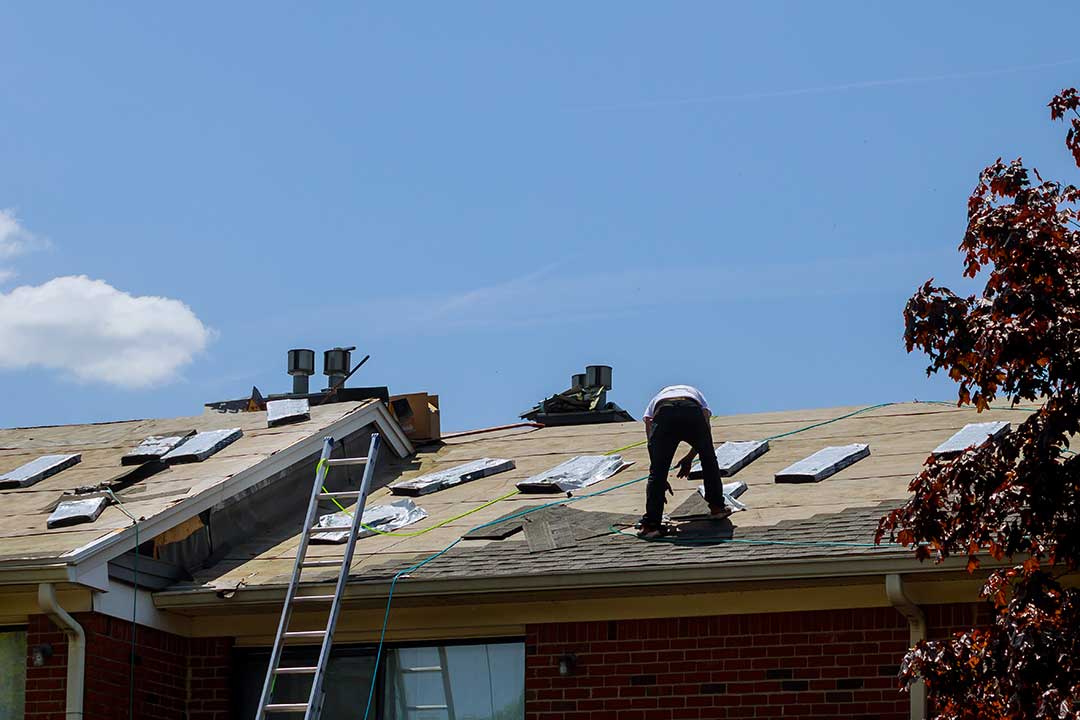
Most problems can be headed off with a routine daily inspection during renovation work. This simple habit helps spot threats before they turn into repairs, especially in seasons when Gansevoort experiences quick weather changes.
When Should Professional Input Be Considered Absolutely Necessary?
Hiring qualified help is essential only in specific circumstances. If the work involves:
- Structural changes to the roofline or major penetrations for chimneys, vents, or skylights
- Suspected damage to load-bearing elements or trusses that could impact home safety
- Pre-existing roof problems, such as repeated leaks, rot, or mold, discovered during renovation
In such cases, expertise is needed to ensure structural integrity and meet local building codes in Gansevoort. For standard home improvements that don’t breach the roof or major components, careful DIY observation and preventive steps are usually sufficient.
What Should Local Residents Do After Renovations Are Complete?
A careful post-renovation review helps ensure long-term roof performance in the Gansevoort climate:
- Remove all temporary protections and thoroughly check for missing or loose shingles, exposed nail heads, or torn flashing.
- Clean out gutters and downspouts again, removing construction debris.
- Inspect attic spaces for daylight leaks or new dampness after the next rainfall.
- Compare post-project photos to your pre-renovation documentation for quick spotting of any changes.
When reviewed promptly, most post-renovation roof issues can be addressed with minor fixes, rather than waiting for a hard winter or summer rain to reveal larger leaks or weaknesses.
What Role Do Seasons and Local Weather Play?
Local weather adds a unique layer of urgency and planning for residents in Gansevoort. Roof protection strategies must adapt:
- During spring storms and fall leaf drop, maintain vigilance with tarps and gutter cleaning.
- In summer, UV rays and heat can cause tarps to degrade quickly, so regular replacement may be needed for longer projects.
- Winter projects are best planned during clearer weather to avoid snow accumulation and slip hazards for workers. If they must proceed, use specialized snow guards and ensure ice melt chemicals used won’t damage roof materials.
A blended approach—anticipating seasonal changes and adapting protective measures accordingly—helps area households complete renovations with minimal risk to their roofs.
