

What Is a Cool Roof and How Does It Work?
A cool roof is designed to reflect more sunlight and absorb less heat than a standard roof. Most cool roof systems use highly reflective materials or coatings that help lower the temperature of the roof surface. For homes in Gansevoort, NY, where summer temperatures can spike and winters bring heavy snow, cool roofs specifically address heat buildup, potentially reducing energy costs in the warmer months.
Unlike darker, traditional roofing, which can reach temperatures far above the air temperature, cool roofs stay much cooler even during sunny afternoons. Options range from reflective shingles and tiles to membrane roofing and white roof coatings. Homeowners generally choose this solution for its comfort and utility savings, not just for its appearance.
Can a Cool Roof Lower Energy Bills in Gansevoort Homes?
Yes, cool roofs can help lower cooling energy costs by reducing heat transfer into the living space below. For local residents, air conditioning can become a substantial expense during hot and humid stretches in July and August. By keeping rooftop temperatures lower, cool roofs reduce the need for AC, especially in the upper levels of homes.
Practical impacts include:
- Lower afternoon indoor temperatures in attics and top floors
- Less reliance on air conditioning, which can translate to measurable electricity savings
- Reduced risk of heat-related damage to roofing materials, attics, and insulation from prolonged high temperatures
While every home is different, the most noticeable benefits are seen in well-insulated houses with significant sunlight exposure.
Are Cool Roofs Effective in the Northeastern Climate?
Many people assume cool roofs only make sense in southern or desert climates, but they can perform well in Gansevoort’s mixed weather. Although cold winters are the norm, the region still experiences enough hot, sunny days to make roof heat gain a concern. Locally, summer heat and humidity are often factors in household comfort.
Common misconceptions include the idea that cool roofs will make homes colder in winter. In practice, winter energy loss through the roof is mostly due to insulation quality, not roof color or reflectivity. Since snow cover naturally insulates the roof in winter—and days are short—the cooling effect of these roofs barely impacts heating needs.
Will a Cool Roof Affect Snow and Ice in Winter?
For homes in Gansevoort dealing with snow and freeze-thaw cycles, cool roofs mostly perform the same as traditional options. The main thing to remember is that roof color and reflectivity have little impact once snow covers the surface. In fact, snow itself acts as an effective insulator and reflector, which means winter energy differences are minimal.
What’s more important for winter performance is roof ventilation and insulation, which prevent ice dams and moisture issues. Cool roofs don’t increase ice dam risk or cause additional freezing, provided the attic is ventilated according to local code.
What Roofing Materials Qualify as “Cool Roofs”?
From a practical standpoint, the phrase “cool roof” doesn’t apply to a single product. Instead, several common roofing types can be designed for reflectivity:
- Cool asphalt shingles: Available in lighter, specially coated shades that reflect sunlight.
- Metal roofs: Painted or coated metals can offer high reflectivity and efficient snow shedding.
- Single-ply membranes: Often used for flat roofs, these are typically white or light-colored for optimum reflectivity.
- Roofing coatings: Specialty elastomeric or acrylic coatings can be applied to older roofs to improve reflectivity without a full replacement.
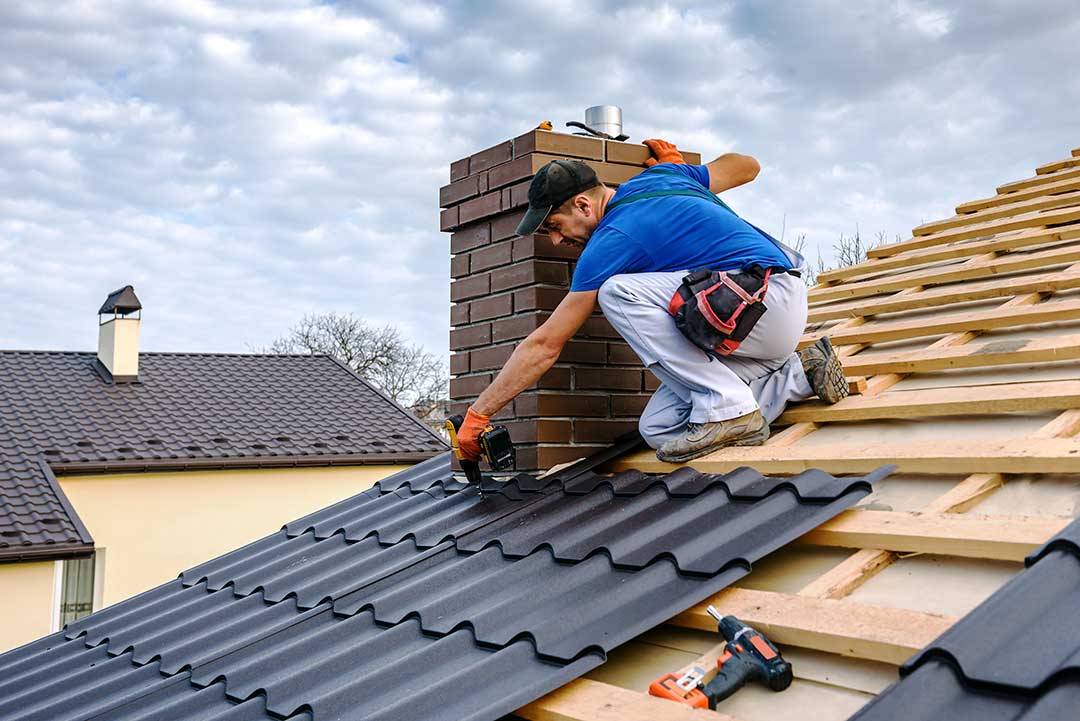
Gansevoort’s residential properties most often use asphalt shingles or metal roofs, both available in energy-reflective options.
What Are the Local Considerations for Installing a Cool Roof?
In Gansevoort, several factors shape how well these roofs perform:
- Sun exposure: Homes shaded by mature trees will see less benefit than those in open areas.
- HOA and neighborhood rules: Some communities may have guidelines around roof color or material.
- Roof pitch: Steeper roofs can benefit from cool roofing but may not reflect as much sunlight as low-slope designs.
- Appearance: Reflective shingles or coatings often look different than standard dark roofs, though modern products offer more color options.
- Snow management: While cool roofs don’t reduce snow buildup, materials like coated metal can speed up snow sliding off.
Before selecting materials, it’s sensible for homeowners to factor in property orientation, design preferences, and any local zoning or community codes.
Will a Cool Roof Last as Long as a Traditional Roof?
With quality installation and regular upkeep, today’s cool roofing materials generally offer the same lifespan as traditional options. Asphalt shingles, coated metals, and membrane systems are all designed to withstand local weather patterns, from summer storms to winter freeze-thaw cycles.
Reflective coatings may need recoating every decade or so, depending on local climate extremes and roof exposure. In general, these roofs endure Gansevoort’s typical temperature swings and precipitation just as well as standard roofs.
How Do Cool Roofs Benefit the Local Community?
On a larger scale, widespread use of cool roofs in Gansevoort supports public health and infrastructure by:
- Lowering overall summertime air temperatures in high-density blocks, reducing “urban heat island” effects
- Lessening strain on the local electrical grid during heat waves by trimming collective AC demand
- Supporting air quality by lowering emissions associated with electricity generation
Though each home’s change is small, the shared effect can improve comfort and resilience across neighborhoods in the city.
