
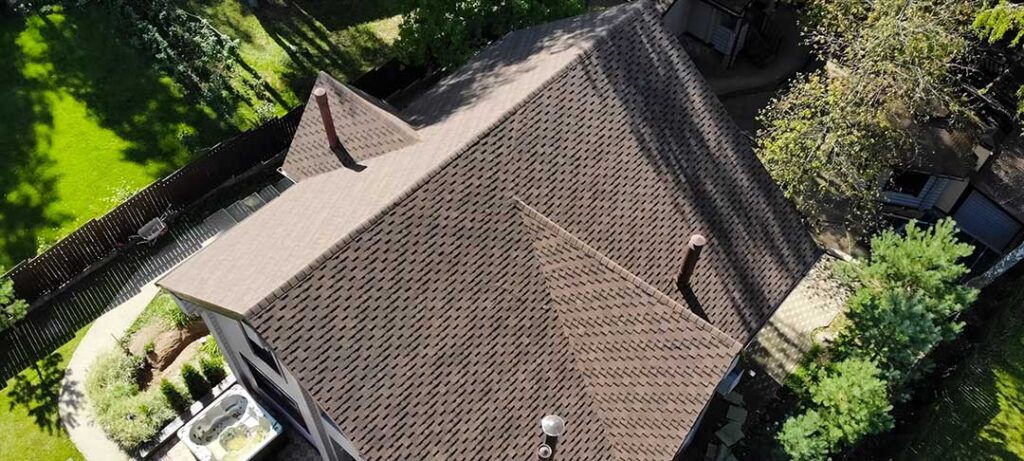
Roof valleys are the V-shaped channels where two sloping roof sections meet. They collect and direct a large amount of rainwater, melting snow, and ice toward the gutters or lower roof edge. Because of that concentrated water flow, valley damage can lead to leaks before problems are obvious from the ground.
For homeowners in Gansevoort, NY, roof valleys deserve extra attention because seasonal snow, freeze-thaw cycles, wind-driven rain, and ice buildup can repeatedly stress the same areas. Learning the early warning signs can help distinguish a minor maintenance issue from damage that needs prompt attention.
What makes roof valleys vulnerable?
Roof valleys handle more water than most other parts of a roof. During a heavy storm, runoff from two roof slopes enters the same narrow channel. If leaves, pine needles, shingle debris, or ice restrict the flow, water may back up beneath the roofing material.
Valleys are also exposed to movement. Roofing materials expand during warm weather and contract during cold weather. Repeated changes can loosen fasteners, crack sealants, lift flashing, or open small gaps around shingles.
There are two common valley designs:
- Open valleys: A visible strip of metal or other water-shedding material runs through the channel.
- Closed valleys: Shingles overlap across the valley, hiding most of the underlying protection.
Neither design is automatically problem-free. The condition of the flashing, underlayment, shingles, fasteners, and drainage path matters more than appearance alone.
What are the easiest signs of a failing roof valley?
The most reliable clues are water stains, damaged shingles, exposed flashing, and debris that remains trapped in the channel. Some signs appear inside the house before the exterior damage is easy to see.
Look for the following:
- Brown, yellow, or gray stains on ceilings near exterior walls
- Damp insulation or musty odors in the attic
- Peeling paint or soft drywall around upper-floor ceilings
- Shingles that are curled, cracked, slipped, or missing near the valley
- Dark lines or exposed nails along the channel
- Rust, punctures, or separated seams in metal valley flashing
- Granules collecting heavily at the bottom of the valley or in gutters
- Moss or algae concentrated along one side of the channel
- Water spilling over the valley edge during rain
- Leaves and ice repeatedly collecting in the same location
A single isolated stain does not always identify the exact leak source. Water can travel along rafters, roof decking, insulation, or framing before appearing indoors. However, a stain below or beside a roof valley should be treated as a useful warning rather than dismissed.
How can the valley be checked safely from the ground?
A ground-level inspection can reveal several problems without climbing onto the roof. Binoculars may help show lifted shingles, exposed metal, or uneven lines.
After rainfall, observe whether water follows the valley into the gutter or whether it spills sideways onto the roof surface. During winter, look for thick ice buildup or repeated icicles below the same valley. Icicles alone do not prove that the valley is failing, but recurring ice in one location may indicate restricted drainage, heat loss, or inadequate attic ventilation.
From the ground, also check whether:
- The valley appears wavy or sunken
- Shingles do not lie flat along the channel
- Metal flashing is visibly bent, rusted, or separated
- Water marks appear on fascia boards below the valley
- Gutters contain unusually large amounts of roofing granules
- Snow remains much longer on one roof section than on nearby sections
A roof should not be walked simply to confirm these conditions. Wet shingles, frost, and steep slopes can be hazardous, and hidden damage may make the surface less stable.
What does shingle damage near a valley mean?
Shingles near a valley may show damage sooner than shingles in less heavily trafficked areas. Common signs include exposed fiberglass mat, missing granules, cracked corners, buckling, and edges that no longer lie flat.
Small areas of wear may result from age or weather exposure, but damage concentrated along the valley is more significant. It can indicate that water is moving underneath the shingles, that flashing is no longer sealed correctly, or that ice has forced materials apart.
Shingles that are lifted but still present should not be pressed down casually. Adhesive strips may no longer bond properly, and forcing the shingle can break it or disturb neighboring pieces. The underlying issue needs to be considered before surface repairs are attempted.
Why are stains and leaks sometimes delayed?
A roof valley can leak only during certain conditions. A short rain may not produce enough water to expose a weakness, while wind-driven rain, prolonged rainfall, or melting snow may reach an opening.
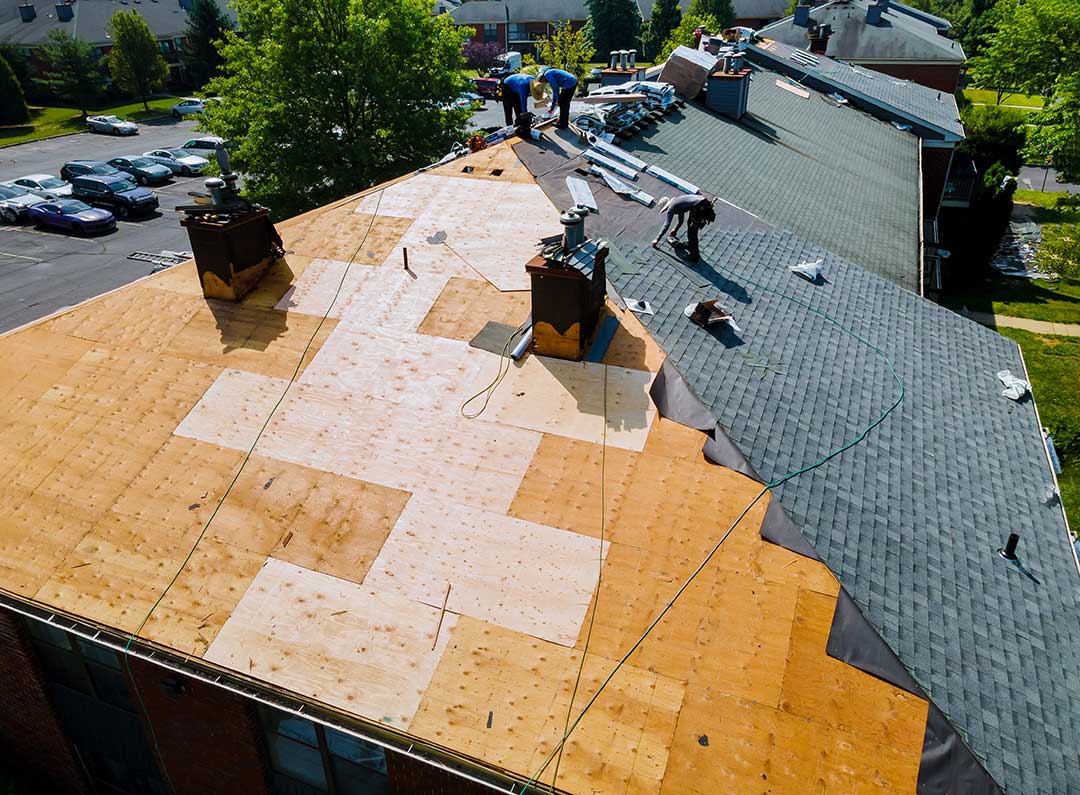
Leaks may also appear days after the weather event that caused them. Water can collect on the roof deck or in insulation before entering the living space. In winter, a small opening may remain hidden under snow and become noticeable only during a thaw.
This delayed pattern makes it useful to compare indoor stains with recent weather:
- Did the leak follow heavy rain?
- Did it appear during a rapid snowmelt?
- Did wind come from the side of the valley?
- Did ice buildup occur beforehand?
- Does the stain grow after repeated storms?
These details can help identify whether the problem is related to valley drainage, flashing, attic condensation, or another roof penetration.
Can ice dams cause valley failure?
Ice dams can contribute to valley problems, especially when melting water cannot drain freely. Snow melts on warmer roof sections, flows toward colder edges or valleys, and refreezes. The resulting ice can hold water against shingles and flashing.
The presence of an ice dam does not automatically mean the roofing system is defective. Attic insulation, air leakage, ventilation, roof geometry, gutter conditions, and weather patterns can all play a role. However, repeated ice dams near the same valley increase the chance of loosened materials and water intrusion.
Avoid chopping ice with a sharp tool. Impact can damage shingles, metal flashing, and roof decking. Salt or chemical products can also harm roofing materials, plants, gutters, and nearby surfaces.
Which valley problems need prompt attention?
Active indoor dripping, wet electrical components, sagging ceiling material, or visible daylight through the roof require prompt attention because water damage can spread quickly. A valley with missing materials or an open gap should also be treated as more than a cosmetic concern.
Less urgent signs still deserve monitoring, including:
- A small ceiling stain that has stopped growing
- A few lifted shingles near the valley
- Early rust on exposed flashing
- Recurring debris accumulation
- Minor gutter overflow directly below the valley
If safe observation confirms active water entry, the affected interior area should be protected from additional damage. Containers can catch drips, and furniture or stored belongings can be moved away. Electrical fixtures that are wet or actively dripping should not be touched.
What should homeowners document?
Photographs taken from the ground can make changes easier to track. Useful records include the valley from several angles, nearby shingles, gutters below the area, interior stains, and dates of rain or snow events.
Do not rely on a single dry-day inspection. A valley may look normal in clear weather and still fail during sustained rain or thawing conditions. Comparing photographs over time can reveal gradual movement, spreading stains, or increasing granule loss.
For roofing work that involves steep slopes, icy surfaces, structural damage, or active electrical hazards, qualified assistance is a safety matter rather than a sales decision. The most useful information to provide is the location of the valley, the type of weather that preceded the problem, and whether water has entered the attic or living space.
