

What Are the Basic Tools Needed for Roof Maintenance in Gansevoort, NY?
Most roof maintenance tasks can be managed with a core set of tools. In a climate like Gansevoort, NY’s, where winter ice and seasonal storms affect roofs, having the right items improves safety and the quality of the work. At minimum, area homeowners should have a stable ladder, a roofing (or claw) hammer, a utility knife, a pry bar, and a tape measure. These serve as the foundation for inspecting shingles, clearing debris, and making minor repairs.
A sturdy ladder is essential, not just for access but also for ensuring safe working conditions. Choose an extension ladder that reaches at least three feet above your roofline. Non-slip feet or securing the ladder base helps prevent accidents, especially on wet or icy ground—a common issue in the region.
Roofing hammers or specialized roofing hatchets are designed for nailing in small areas and for removing old fasteners as needed. A utility knife with a hooked blade makes cutting asphalt shingles and underlayment cleaner and easier. Augment these tools with a pry bar for lifting damaged shingles or prying out stubborn nails.
Tape measures come into play more than most realize, whether for matching replacement shingles, assessing flashing size, or tracking repaired sections.
Do I Need Protective Gear for Routine Roof Checks?
Yes—personal protective equipment is just as important as hand tools. Gansevoort’s winter freeze-thaw cycles and summer storms can leave roof surfaces slippery or unstable. Homeowners should always use:
- Non-slip, rubber-soled shoes or work boots
- Lightweight gloves for grip and minor protection
- Eye protection if dealing with nails, debris, or insect nests
On high or steep-sloped roofs, a basic safety harness and roof anchor (installed following manufacturer guidance) is recommended to reduce fall risk. Many local homes have a moderate slope, but some older properties have steeper pitches. Never attempt maintenance in icy, high-wind, or stormy conditions.
How Can I Safely Remove Leaves, Branches, or Moss?
Clearing organic debris helps prevent water pooling and ice dams, both of which are issues in the northeast’s transitional seasons. For most debris:
- Use a soft-bristle broom or roof brush to avoid damaging shingles
- A plastic (not metal) leaf rake can be effective for deeper drifts, especially near gutters
- A gutter scoop or small plastic trowel works well for clearing out channels and downspouts
Some homeowners try washing debris away with a garden hose, but this can force water beneath shingles or into vulnerable seams—especially if shingles are aging. Always sweep downhill, toward gutters, and never power-wash asphalt shingles, as local freeze-thaw can exacerbate any existing shingle weaknesses.
For moss, careful manual removal is safest. Soft brushes and a diluted biodegradable cleaning solution can treat minor growth without harming roofing materials. Avoid bleach—its runoff can stain siding and affect gardens. Larger moss patches or severe algae may require additional tools or professional input due to roof safety issues.
What Tools Are Used to Replace Individual Shingles or Flashing?
North country weather often loosens shingles, flashing, or fasteners. Common tools for replacing these elements include:
- Roofing nails and a hammer, or a nail gun for larger jobs (manual is generally sufficient for small repairs)
- Roofing cement and a small putty knife for sealing under shingle tabs or at joint seams
- Utility knife to trim shingles or underlayment to fit
- Flat pry bar to lift tabs or carefully remove failed flashing
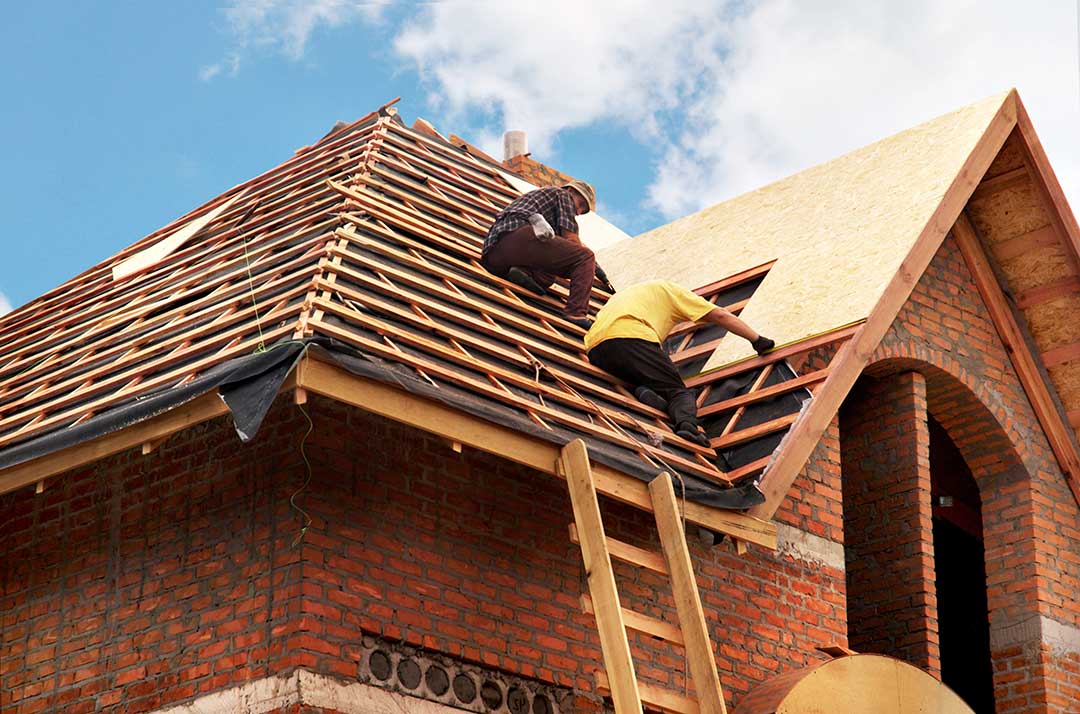
Weather-resistant roofing nails are necessary for new shingles. For flashing, hand shears or metal snips cut thin aluminum pieces to size, while a caulking gun may be used to apply exterior-grade silicone to seal edges.
Take care: working under cold or wet conditions can lead to cracked shingles and weak adhesion. Local recommendations often advise saving larger DIY fixes for dry, mild days whenever possible.
What Accessories Aid in Preventing Damage from Gansevoort’s Seasonal Changes?
Routine checks help spot developing issues, but some simple tools make a notable difference in prevention:
- Gutter guards or mesh screens minimize clogging from autumn leaf fall, reducing overflow risk and winter ice dam formation
- Snow roof rakes, with telescoping handles, help carefully remove heavy snow loads from the edge of the roof—an important tool in a region with frequent winter storms
- Binoculars allow for basic visual inspections from the ground, spotting missing shingles, loose flashing, or blocked vents
Ideally, check your roof each spring and fall or after major storms. Ground-level inspections can identify trouble areas before climbing, keeping maintenance efficient and safer.
What Are Some Common Mistakes or Overlooked Factors in Local Roof Care?
Many residents underestimate the impact of small tools or skip basic safety steps. Relying on metal rakes, using excessive water, or working on frosty mornings increases risk to both roof and worker. Ignoring gutter cleaning tools during leaf season, or failing to inspect after ice storms, is another frequent oversight that can lead to preventable leaks or costly repairs.
Another common pitfall is using products or tools not suited for local roof types (asphalt shingles are standard, but some homes have metal or older slate). Always match tool choice to your actual roofing material—metal scrapers or wire brushes can damage most common roof finishes.
By keeping a basic, thoughtful tool kit and following safe seasonal routines, residents can extend the lifespan of their roofs and address minor issues before they escalate.
